
Women & Hair Loss:
Early Signs You Should Never Ignore

Introduction:
One morning Sarah was brushing her hair when she noticed something alarming. More hair than normal had come out onto the brush during the process of brushing, and when Sarah ran her fingers through the top part of her hair, she pulled out quite a bit of hair in her hand. At the time Sarah wrote this off to work-related stress, but by three months later, she had lost a lot of volume in her ponytail. Similar to most women, Sarah did not take notice of the warning signs that happened to be presenting themselves as she lost her hair.
The truth of the matter is that hair loss in women happens much more than individuals may understand, with approximately 40% of women experiencing hair loss by the time they reach fifty years old. Women's hair loss is not as obvious as men's, as it has a more subtle progressive feel and can also cause a significant emotional impact. The best way to prevent the emotional impact of hair loss for women is to catch in the early stages prior to a significant amount of loss taking place.
1. Understanding the Difference: Normal Shedding vs. Hair Loss
Let's begin with defining what's "normal." On average, humans lose between 50 - 100 hairs every day due by way of their natural hair growing cycles. As older hairs shed, they create areas for fresh, new hair to grow in.; so if you see loose hair on your pillowcase, in your shower drain or attached to your hairbrush that’s totally normal.
However, if you discover that you're losing significantly more hair than the average or you’re not producing new hair that replaces the lost hair, then hair loss becomes a concern. It is important to note that early intervention may reverse or slow down your hair loss; however, if the cause(s) of your hair loss are left unaddressed for long periods of time, you risk incurring permanent damage to some of your follicles.

2. The Early Warning Signs Women Often Miss
-
Widening Part Line
One of the earliest and most telltale signs is a gradually widening part. If you've worn your hair the same way for years and suddenly notice more scalp showing through your part, pay attention. This often happens so gradually that you might not notice until you compare recent photos with older ones. -
Increased Hair in the Drain
While some shedding in the shower is expected, noticing clumps of hair or a significant increase in the amount collecting around the drain is a red flag. If you find yourself cleaning the drain more frequently or if the hair you're losing seems excessive compared to your normal shedding, it's time to investigate further. -
Thinner Ponytail
Many women first notice their hair loss when their ponytail feels thinner or requires an extra loop of the hair tie. The circumference of your ponytail is actually an excellent indicator of overall hair density, and a noticeable decrease shouldn't be dismissed as just having a bad hair day. -
Visible Scalp
When you can see more of your scalp under certain lighting conditions, especially bright overhead lights or sunlight, it indicates reduced hair density. The crown area and temples are particularly vulnerable zones where thinning often begins. -
Receding Hairline
While typically associated with men, women can also experience hairline recession, particularly around the temples. This creates a more pronounced forehead or changes the natural frame of your face. -
Excessive Shedding When Styling
Finding an unusual amount of hair on your clothes, shoulders, or around the house after brushing or styling suggests more than normal shedding. If you're constantly pulling hair off your clothing or finding strands everywhere you sit, investigate further. -
Changes in Hair Texture
Hair that suddenly becomes finer, limper, or loses its natural body may indicate the beginning of miniaturization, where hair follicles gradually shrink and produce thinner strands.
3. What Causes Hair Loss in Women?
By determining what has caused your female hair loss, you are on your way toward being treated successfully. For example, some common causes of female hair loss are elevated hormone levels during pregnancy, hormonal changes immediately after giving birth (postpartum), hormonal changes associated with menopause, and alterations to the thyroid (hypothyroidism). The absence of certain nutrients can also cause problems and include a lack of iron, vitamin D, and biotin, all of which can lead to the death of hair follicles.
Physical or emotional stress can influence the likelihood that a hair follicle will enter the resting stage. Other issues associated with female hair loss include taking various medications; having an autoimmune disorder, which may include alopecia areata; and being genetically predisposed to female hair loss.
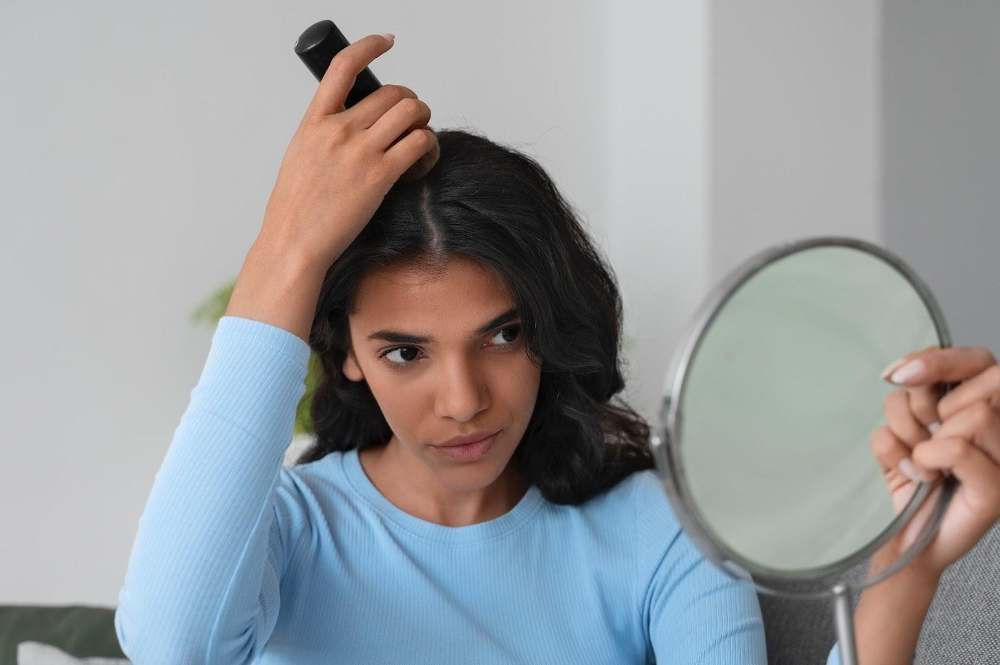
4. Why Early Detection Matters
Late detection of the problem is a key element in determining if you will successfully regrow your hair. After hair follicles have completely died, they cannot be revived. Therefore, it is crucial that if you believe your hair follicles have been weakened by other causes but are still alive, you seek treatment as soon as possible in order to take advantage of the opportunity to restore healthy growth before it is too late to do so.
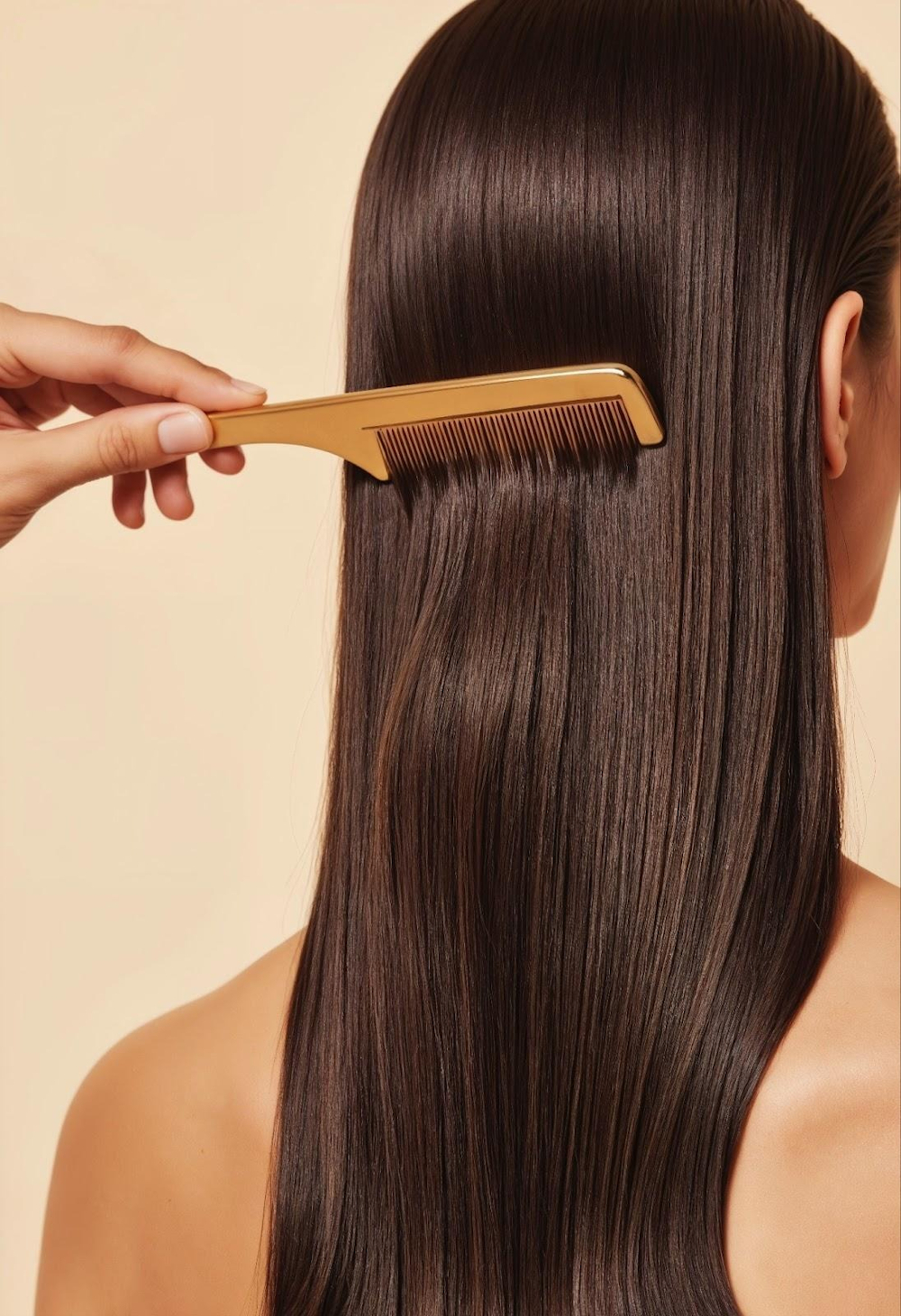
5. PRP for Hair Loss: A Promising Treatment Option
PRP (platelet-rich plasma) is one of the best methods available for treating women with hair loss, especially those who have androgenetic alopecia (used most commonly by women) and certain types of non-scarring alopecia.
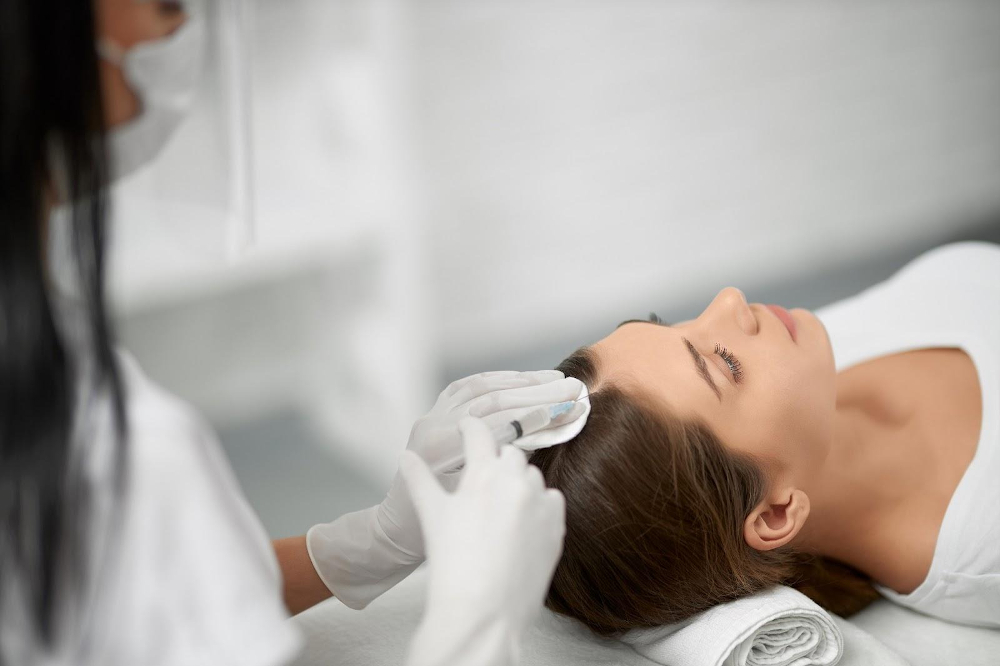
Platelet-Rich Plasma works through the body's ability to heal itself. A sample of blood is taken from you and put in a centrifuge to spin out the different parts. The part that is left is called platelet-rich plasma (PRP). The PRP contains concentrated amounts of clotting factors and healing proteins that are then injected into the scalp at the places where thinning is occurring.
When injected into the scalp the PRP contains growth factors that activate the dormant hair follicles to produce new hair growth. PRP will also strengthen the already present hair shafts and make them thicker. The treatment takes approximately 60 minutes and has very little downtime for healing. Since PRP comes from your own blood, it poses virtually no risk of an allergic reaction or rejection.
After an initial series of three to four treatments spaced approximately one month apart for most patients, maintenance sessions continue every 6-12 months. Although it may take time for your hair to begin growing back, there are women who see less shedding within a few short weeks after starting to use PRP. In addition, most women will see some visible regrowth within three to six months.
PRP's unique ability to provide benefits on a cellular level is one of the reasons that PRP works so effectively to support improved scalp health, increased hair thickness, and increased hair density along with prolonging the growth phase of the hair growth cycle. Using PRP with other treatments such as Minoxidil or nutritional supplementation has been shown to provide better overall results.
6. Taking Action: What to Do If You Notice These Signs
You shouldn’t put off addressing your hair loss and just wait for it to resolve on its own. You should see a dermatologist or trichologist, who specializes in treating patients who are experiencing hair loss. During your visit, he or she will do a complete examination of your scalp, go over your medical history, and possibly perform some blood tests to determine whether you have an underlying condition. By making an early appointment, you will provide yourself with greater access to a wider variety of treatment options, and increase your likelihood of successfully re-growing your hair.
Take photographs of your hair loss so that you can see how it is progressing (or getting better) over time. Take your photographs at the same time of day, with the same lighting and angles, and write down any other pertinent information about when you first noticed your hair loss. Track any recent significant events in your life, any medications you have started taking recently, and also make a note of any significant dietary changes you have experienced.
Conclusion:
Hair loss can occur at any age, young or old, but it doesn't necessarily have to be caused by either stress or age. If you can identify the early indicators of hair loss and proactively deal with the situation, you are providing yourself the best chance to keep your hair. Six months after Sarah finally sought medical help and began her treatment, she sent me a photograph of her progress; her hair was not only returning but she had also regained her self-esteem level.
Your hair serves a purpose that goes beyond looks; it plays an important part in who you are and how you feel about yourself. If your body is giving you the early signs of hair loss, don't disregard them. Consider options such as PRP therapy, dietary or lifestyle changes or taking medication specifically for this condition, all of which will likely be effective in reducing the stress associated with hair loss. The first step in seeking the right treatment for hair loss is to acknowledge that the signs you have been experiencing are important enough to seek help, and the last step is to hope that your future self gets to enjoy the silky and luxuriant look and feel of thick and healthy hair.
Love what you’re reading? Don’t miss out on future articles! Subscribe for updates on our latest posts and our bi-monthly newsletter.
Sign up now—no spam, just good vibes and holistic health insights delivered straight to your inbox!
Famenini S, Slaught C, Duan L, Goh C. "Demographics of women with female pattern hair loss and the effectiveness of spironolactone therapy." J Am Acad Dermatol. 2015 Oct;73(4):705-6. doi: 10.1016/j.jaad.2015.06.063. PMID: 26369846; PMCID: PMC4573453.
Kathryn Watson.“How Much Hair Loss Is Normal?” Healthline, November 15, 2024.
Author unknown. “What is Hypothyroidism” MedlinePlus, n.d.