
How Spider Veins and Varicose Veins Differ and What to Do About Them
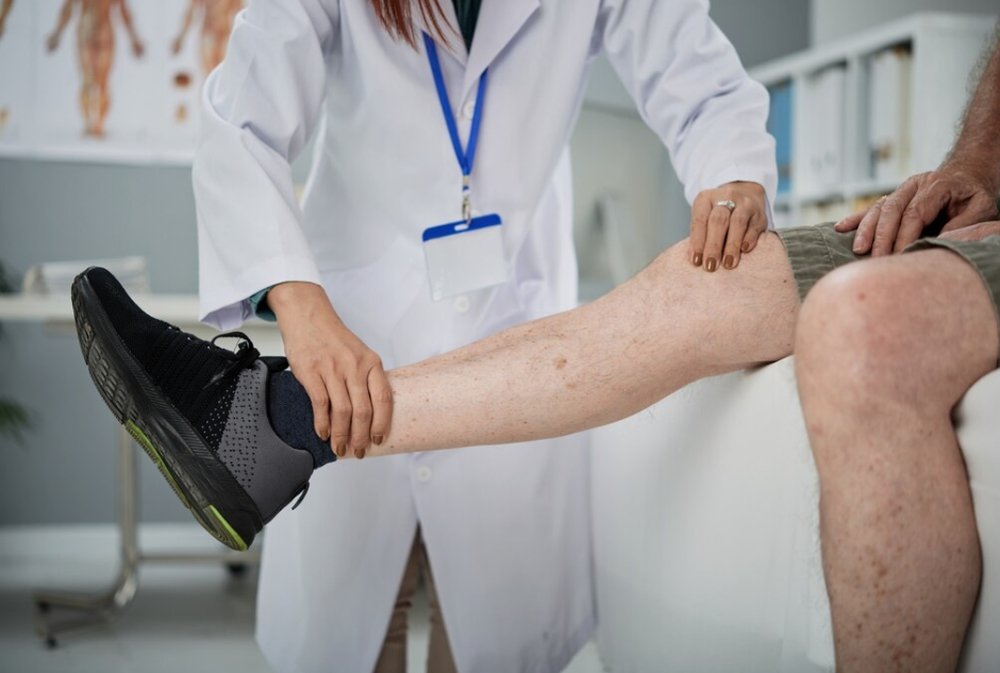
Not every vein you can see tells the same tale. Some have only a little discoloration under the skin. Others bulge and twist and ache at the end of the day. This is not only a matter of cosmetics. It may be an indication of a true problem with your circulation and one you do not want to ignore. On this page we cover the distinctions in the two diseases, what causes each disease and how treatment comes into play.
What Are Spider Veins and How Do They Develop?
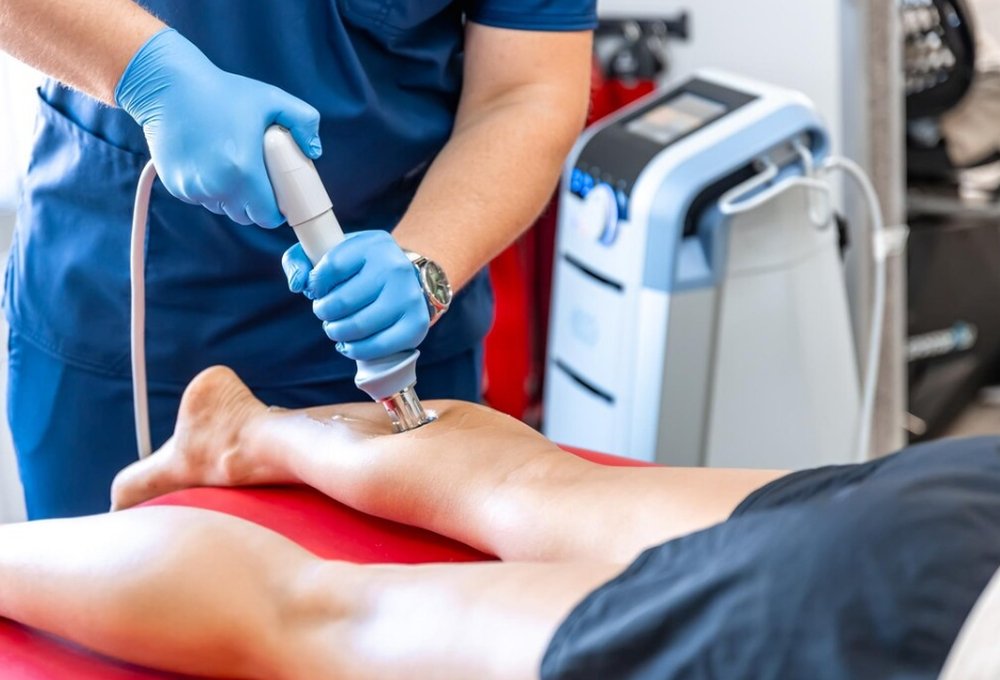 On this page we cover the distinctions in the two diseases, what causes each disease and how treatment comes into play. They spread out like a spider's legs or a spray of rockets in patterns. It usually appears on the thighs, calves and ankles, but the face is not excluded. Small vessels are losing the grip of blood flow. A little blood collects in the weakened vessel. The vessel lengthens. It shows through the skin.
It can involve family history . Hormonal changes do too. Some feel a dull ache or a sense of heaviness. For many, only the lines themselves are visible. As well as how there are doctors who would usually view spider veins as a cosmetic, not a medical, issue. This does not mean that the lines are worthless. Look closer if a line is moving swiftly or if lots of lines are coming together in one place. One photo every few months can assist track any actual change.
What Are Varicose Veins and Why Are They More Serious?
Varicose veins are another tale. They are fat, twisting veins, like rope. They are commonly found on the skin of the legs or feet. They blame a mechanical fault and not a cosmetic glitch. Tiny valves in the vein behave like one-way doors. They maintain the blood flowing up to the heart. A valve goes off. Gravity Prevails. Blood runs back. It collects in the vein. The vein expands and darkens and twists. None of this happens over night.
That’s why varicose veins have more medical weight than their smaller cousins. If left alone, they tend to precipitate discomfort and a dragging heaviness that worsens as the day progresses. Swelling around the ankles usually goes along for the ride. In advanced situations, the adjacent skin can discolour. It can break down into ulcers. Those wounds take forever, if they ever do. The problem is the plumbing. Not the first. Most doctors suggest a real evaluation. Not only that, but you must know that they don't deny the vanity situation.
Key Differences Between Spider Veins and Varicose Veins
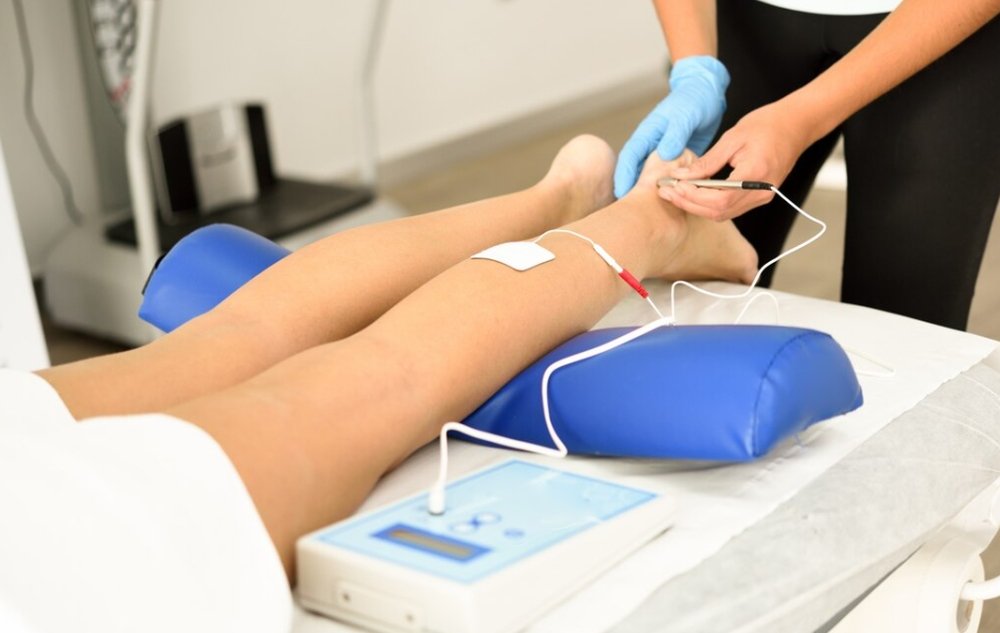
Firstly, as the distinctions go, they tend to have an undeniable fact. For you see, they are hard to ignore side by side. Spider veins stay flat and thin. They sit close to the surface. Varicose veins do the opposite. They bulge. They feel firm to the touch. They sit deeper in the tissue. One is a surface change. The other is a sign the venous system is struggling to keep up. A vascular surgeon serving Fairfax often puts it simply. Spider veins are usually about appearance. Varicose veins are usually about function.
Progression also divides them. Spider veins don’t want to be bothered for years. Varicose veins do that seldom. If untreated, the valve condition will likely get worse. It can cause additional swelling.” It can produce obvious changes in the skin. Colour is another hint. Spider veins are tiny and appear like webs. The pressure causes varicose veins to twist and discolour. None of this needs a medical degree to see which is frankly sort of the idea. It looks closer.
What Causes Both Conditions and Who Is Most at Risk?
Now, it is an overall vast field regarding biology but there's the case of genetics. For one thing, they play a bigger role than most people realise. Faulty valves or weak vein walls often are inherited. Family history carries real weight. Different doctors weigh these factors differently. That is normal. Pregnancy and other hormonal shifts loosen vein walls too. That's part of why women end up dealing with both conditions more often than men.
A handful of everyday factors tip the odds further:
- Jobs that keep someone on their feet for hours at a stretch
- Extra body weight pressing down on leg veins
- A routine with little regular movement built in
- Age, since veins lose elasticity as the years go by
- Pregnancy, because of the additional blood volume and hormonal changes
None of these will guarantee that an issue will appear, but they stack the deck. Awareness alone won't stop a vein from forming. It does make early treatment more likely, though. A parent or grandparent with visible veins is a signal worth noting. Early signs deserve attention. Waiting until a condition is impossible to ignore is not a strategy. A quick check with a doctor costs little and settles the question.
Treatment Options Available for Spider Veins and Varicose Veins
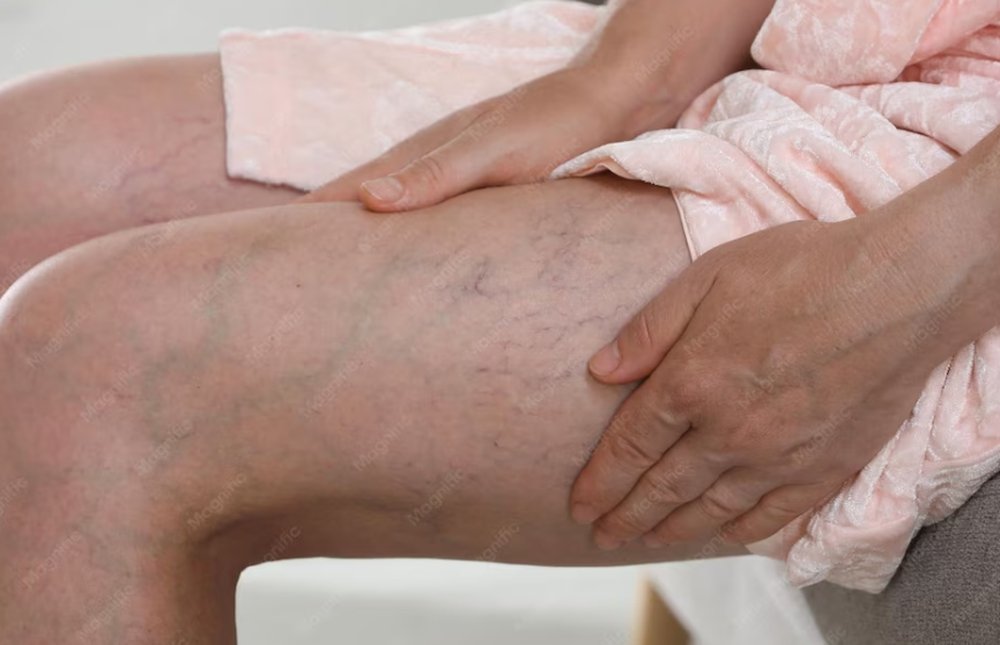
Treatment is not always the same for both conditions. It shouldn't. Spider veins are usually handled purely for appearance's sake. Sclerotherapy, a simple injection that collapses the vein from the inside, remains the most common route, with results usually visible within four to six weeks. Laser treatment offers a needle-free option for smaller veins near the surface. Recovery for both tends to be light. Most people are back to their normal routine the same day.
Varicose veins usually call for more treatment. This is especially true once symptoms move beyond how the leg looks. Options on the table include:
- Compression stockings, which improve circulation and ease pressure on swollen veins
- Sclerotherapy, for veins on the smaller to medium end
- Laser or radiofrequency ablation, which seals off larger veins from the inside
- Vein removal, kept for more advanced cases
- Simple habits, like elevating the legs and staying
The right path depends on the size of the vein. It depends on how far symptoms have progressed. It depends on the patient's overall health. A real evaluation still beats guessing. Most of these procedures today are minimally invasive. Downtime is usually shorter than people think. Most people are back to their typical routines in one to two days. Most don’t have to consider an extended recuperation period.
Conclusion
Spider veins and varicose veins might look like two versions of the same thing. They aren't. One's mostly a cosmetic quirk. The other can point to a real circulation problem, one that tends to get worse without attention. New veins that ache, swell or spread fast deserve a professional opinion. Waiting it out is not the safer bet. Catching it early usually helps. Results still vary.
Love what you’re reading? Don’t miss out on future articles! Subscribe for updates on our latest posts and our bi-monthly newsletter.
Sign up now—no spam, just good vibes and holistic health insights delivered straight to your inbox!
Gloviczki P, Comerota AJ, Dalsing MC, et al. "The Care of Patients with Varicose Veins and Associated Chronic Venous Diseases: Clinical Practice Guidelines of the Society for Vascular Surgery and the American Venous Forum." Journal of Vascular Surgery. 2011 May;53(5 Suppl):2S-48S. doi:10.1016/j.jvs.2011.01.079.
Rabe E, Guex JJ, Puskas A, Scuderi A, Fernandez Quesada F. "Epidemiology of Chronic Venous Disorders in Geographically Diverse Populations: Results from the Vein Consult Program." International Angiology. 2012 Apr;31(2):105-115.
Beebe-Dimmer JL, Pfeifer JR, Engle JS, Schottenfeld D. "The Epidemiology of Chronic Venous Insufficiency and Varicose Veins." Annals of Epidemiology. 2005 Mar;15(3):175-184. doi:10.1016/j.annepidem.2004.05.015.
Michaels JA, Campbell WB, Brazier JE, et al. "Randomised Clinical Trial, Observational Study and Assessment of Cost-Effectiveness of the Treatment of Varicose Veins." Health Technology Assessment. 2006 Apr;10(13):1-196. doi:10.3310/hta10130.
Murad MH, Coto-Yglesias F, Zumaeta-Garcia M, et al. "A Systematic Review and Meta-Analysis of the Treatments of Varicose Veins." Journal of Vascular Surgery. 2011 May;53(5 Suppl):49S-65S. doi:10.1016/j.jvs.2011.02.031.
National Heart, Lung, and Blood Institute. "Varicose Veins." U.S. Department of Health and Human Services. Updated March 2022. https://www.nhlbi.nih.gov/health/varicose-veins