
3 Ways to Naturally Treat Blurry Vision
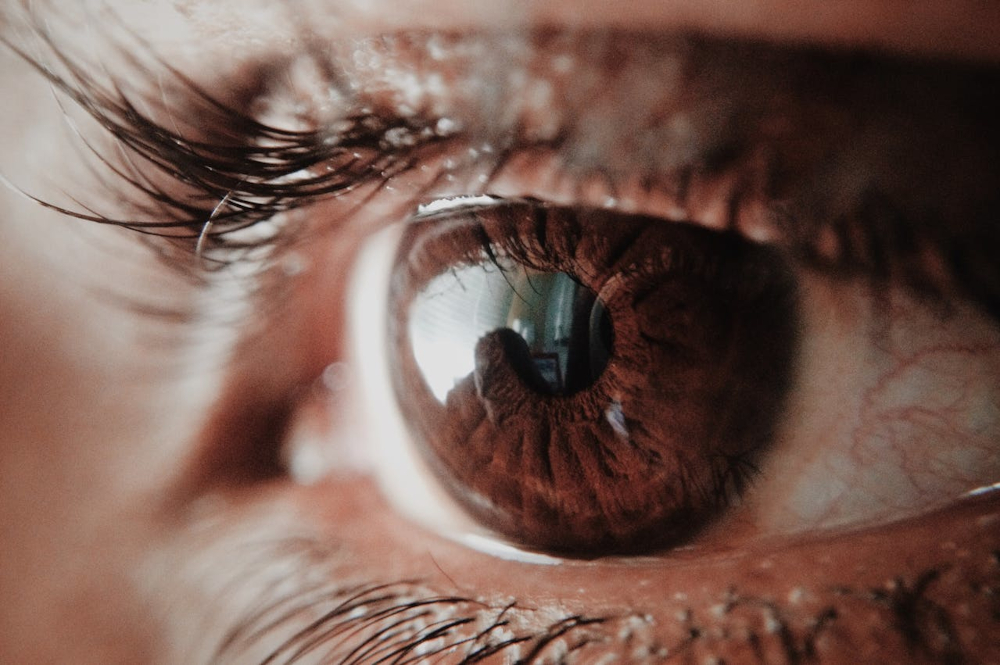
Nearly 150 million Americans wear corrective lenses every year for some form of refractive error. However, it doesn’t save you from experiencing vision changes. Objects around you may appear out of focus and if you find yourself squinting or rubbing your eyes while sitting in front of a computer screen for hours, an eye exam can help to pick up early signs of blurry vision before the condition worsens. Most of the blurry vision lies in the cornea, which is our largest refractive surface.
In most cases, blurry vision is temporary; however, if you experience sudden vision change, it could be a sign of a serious health concern that will require appropriate treatment. To understand blurry vision properly, it is important to identify the underlying cause.
Here’s a look at some of the most common causes of blurry vision:
Causes of Blurry Vision
- Myopia, Hyperopia, Presbyopia - Commonly known as nearsightedness, farsightedness and the inability to focus on things that occur with age, these conditions occur when either one or both eyes are unable to focus properly, which can give you frequent headaches, an eye strain or make you squint.
- Astigmatism - An irregularly shaped cornea makes objects at a distance appear blurry and it occurs when light rays that enter your eyes do not meet at a single focal point on your retina.
- Chronic Dry Eyes -When your eyes do not produce enough tears, you start experience vision changes and objects around you appear out of focus.
- Fatigue or Eye Strain - Staying up too late or stressing out too much can lead to either mild and temporary blurry vision.
- Pregnancy - Hormonal changes during pregnancy may result in temporary vision change that includes dry eyes, blurry vision, and double vision. However, at times sudden vision change may signify a serious health problem.
- Migraines - While migraines leave you extreme pain, you are also likely to experience changes in your eyesight. These vision changes may occur either before or after the pain subsides. Vision changes associated with a migraine are only temporary and only last as little as a minute to half an hour.
- Medications or LASIK surgery - If you are undergoing an eye treatment where you use eye drops or have had a LASIK surgery, you may experience blurry vision.
- Eye Floaters - Eye floaters may temporarily distort your vision resulting, making objects you see appear out of focus. It occurs with age but if you notice the sudden appearance of eye floaters, you should seek a doctor’s assistance immediately.
- Corrective Lenses - If you are wearing contact lenses or glasses that have not been updated in a while, you may start experiencing cloudy vision.
While visiting an ophthalmologist is crucial in curing you of the condition, here are 5 home remedies you can adapt to temporary relieve yourself of cloudy vision:
3 Natural Treatments for Blurry Vision
1. Keep Your Eyes Protected
Environmental factors such as sun exposure, infections and traumas can increase the likelihood of blurry vision and these simple practices can save you from a troubled eye. Take these tips up to keep your vision in check.
- Regular Eye Exam - Regular eye exams will allow your doctor to check for serious vision problems that may include infections and eye irritation.
- Sanitize Contact Lenses - Make sure you clean your contact lenses every time you wear them and replace them as prescribed by your doctor. Keeping your corrective eye wear exposed can lead to protein buildup that makes things around you appear blurry. As with your glasses, wipe them regularly with an eye cloth as use a cleaning solution when completely smudged.
- Wear Eye Protection - When involved in contact sports, home renovations and while swimming, make sure you wear eye protection to prevent sand and chlorine from irritating your eyes.
- Surround Yourself with Proper Lighting - Whether at home or at work, make sure you are sitting in an environment with the right amount of lighting. Lighting that is too bright or dim can result in a strain or eye fatigue.
2. Eye Exercises
Giving your eye muscles a break every once in a while can eliminate headaches, errors and increase your productivity. Take some time off your busy schedule and try these easy-to-perform eye exercises.
- Palming - Rub your palms until they turn warm and gently place them over your eyes. Repeat two to three times.
- Zooming - Sit on a chair with your arm stretched out and your thumb up. Bend your arm towards your eyes, thus zooming the thumb in focus.
- Figure of Eight - Sit with your legs straight, keeping your left hand on your left knee.Hold your right fist above your right knee, with your elbow kept straight and thumb pointing upwards. Focus your eyes where your thumb is, keeping your head still. Draw a figure eight using your thumb,making sure your elbow is kept straight. Repeat the exercise in a clockwise and an anti-clockwise direction.
3. Take Supplements
Taking supplements can potentially improve your eye health and for cases of age-related macular degeneration, doctors strongly suggest consuming supplements. Here’s a list of vitamins you can consume to improve your overall eye health as well as problems of blurry vision.
- Vitamins B1, C, and E
- Zinc
- Selenium
- Calcium
- Omega-3 Fatty Acids
Love what you’re reading? Don’t miss out on future articles! Subscribe for updates on our latest posts and our bi-monthly newsletter.
Sign up now—no spam, just good vibes and holistic health insights delivered straight to your inbox!
WebMD Feature Reviewed by Alan Kozarsky, MD on January 21, 2018.
Dr. Axe Feature Reviewed by Katherine Brind’Amour, PhD, MS on April 25, 2018